
Essaouira Coastal Escape
Essaouira is not loud. It doesn’t compete for your attention. It invites you to breathe.
On Morocco’s Atlantic coast, this white-and-blue city offers a different rhythm — shaped by wind, salt, and centuries of exchange. The Essaouira Coastal Escape is about stepping away from intensity and discovering a place where movement feels lighter and time stretches gently.
Essaouira Coastal Escape – Where the Atlantic Slows Time
A Walled City Facing the Ocean
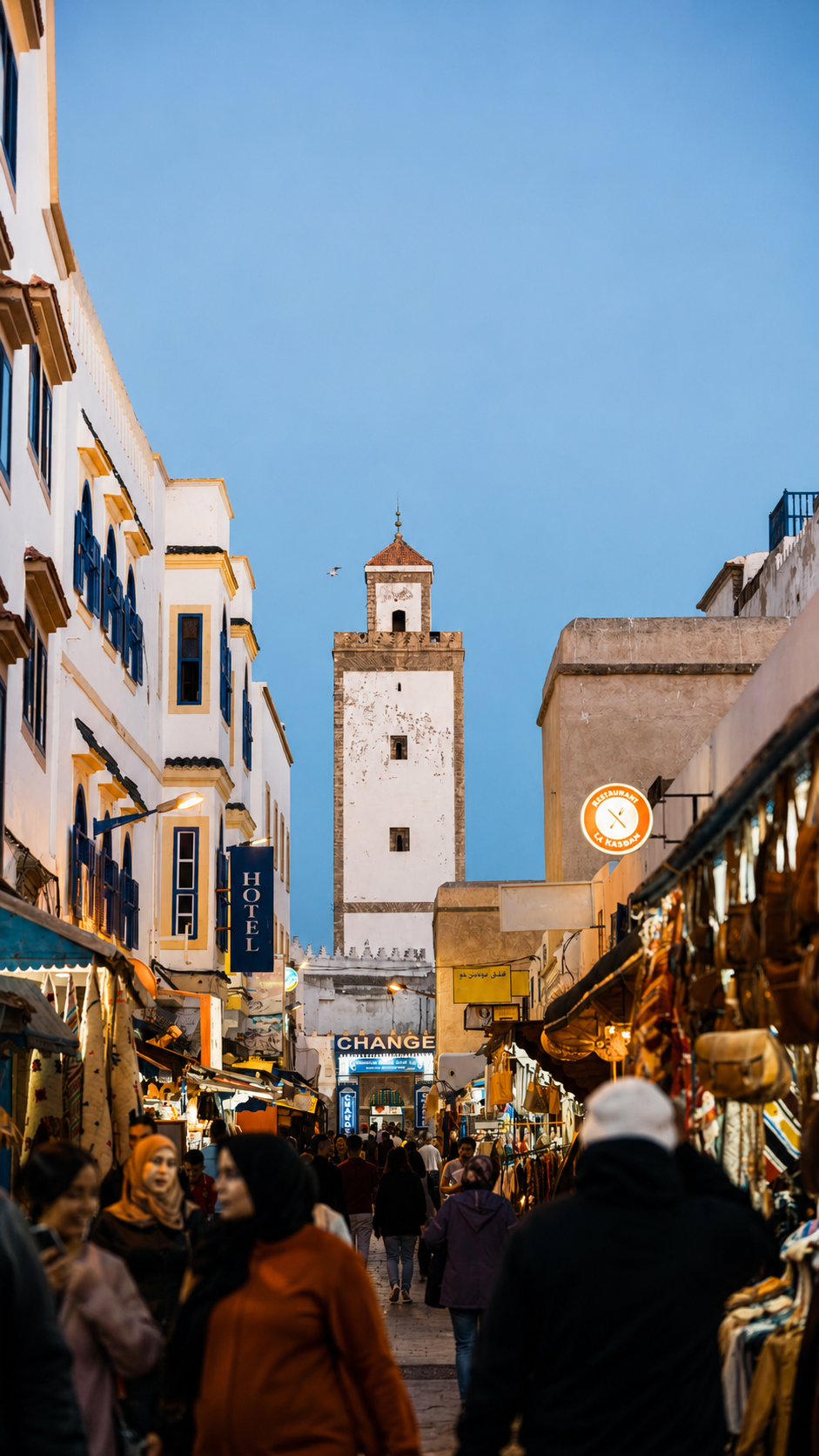
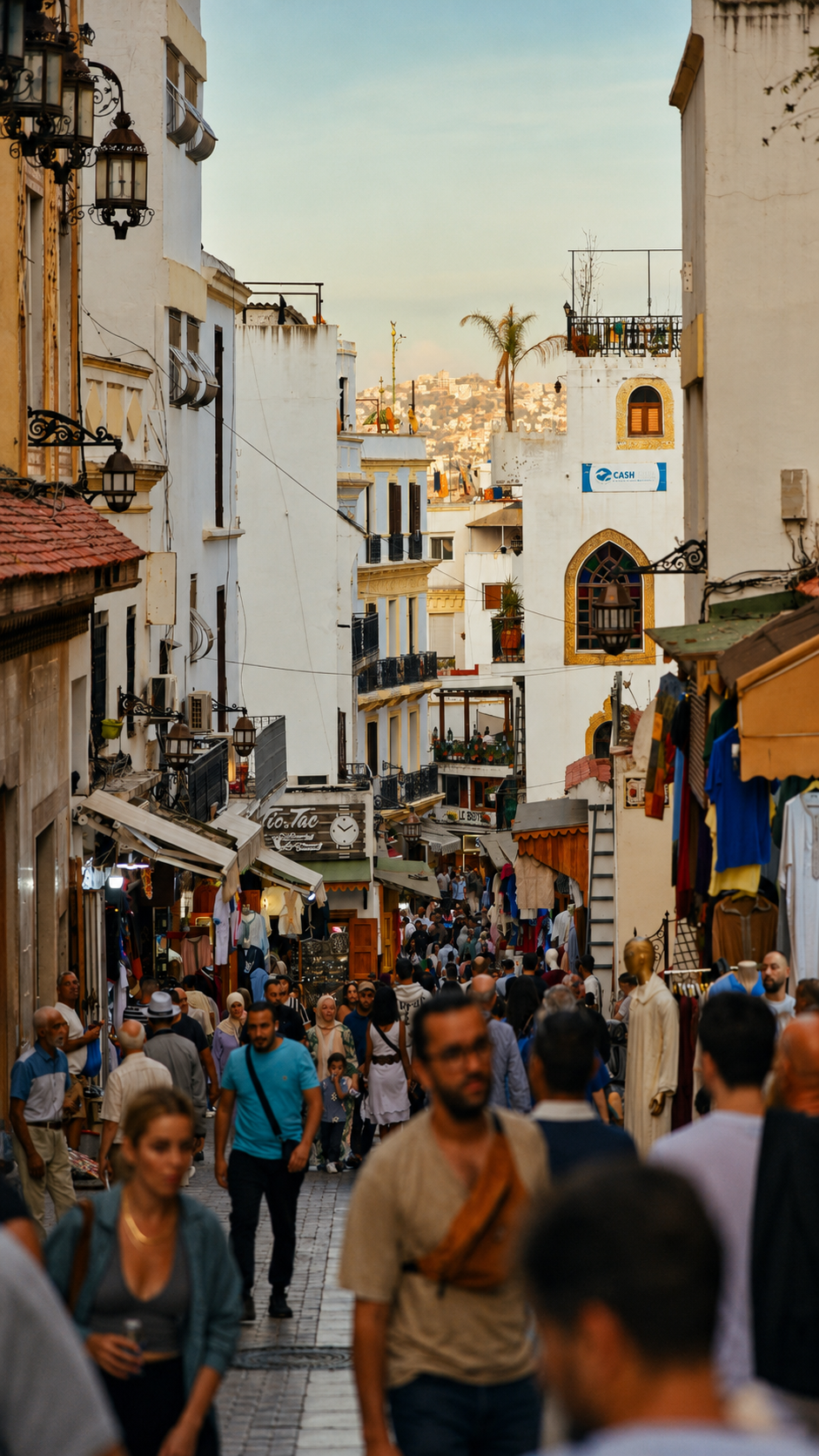
The medina of Essaouira is compact, walkable, and framed by fortified walls that meet the sea. Unlike larger imperial cities, its layout feels open and navigable. Streets are aligned, light moves freely, and the ocean is never far.
As you wander through Skala de la Ville, Bab Doukkala, and Bab Marrakech, the soundscape shifts — gulls replace horns, waves replace crowds. The city’s architecture reflects Portuguese influence, Berber craftsmanship, and Atlantic pragmatism, creating a space that feels both historic and relaxed.
The Port: Daily Life in Motion
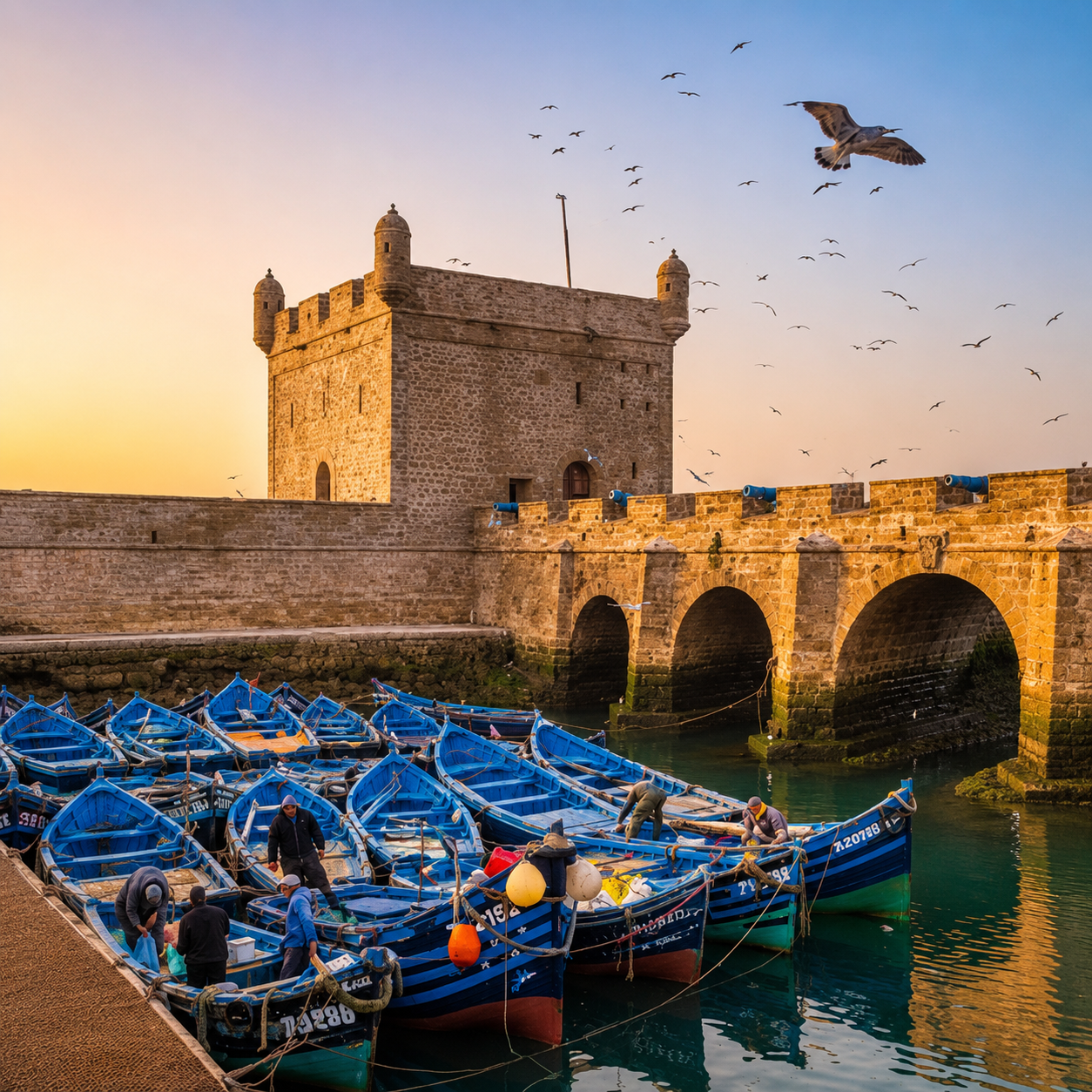
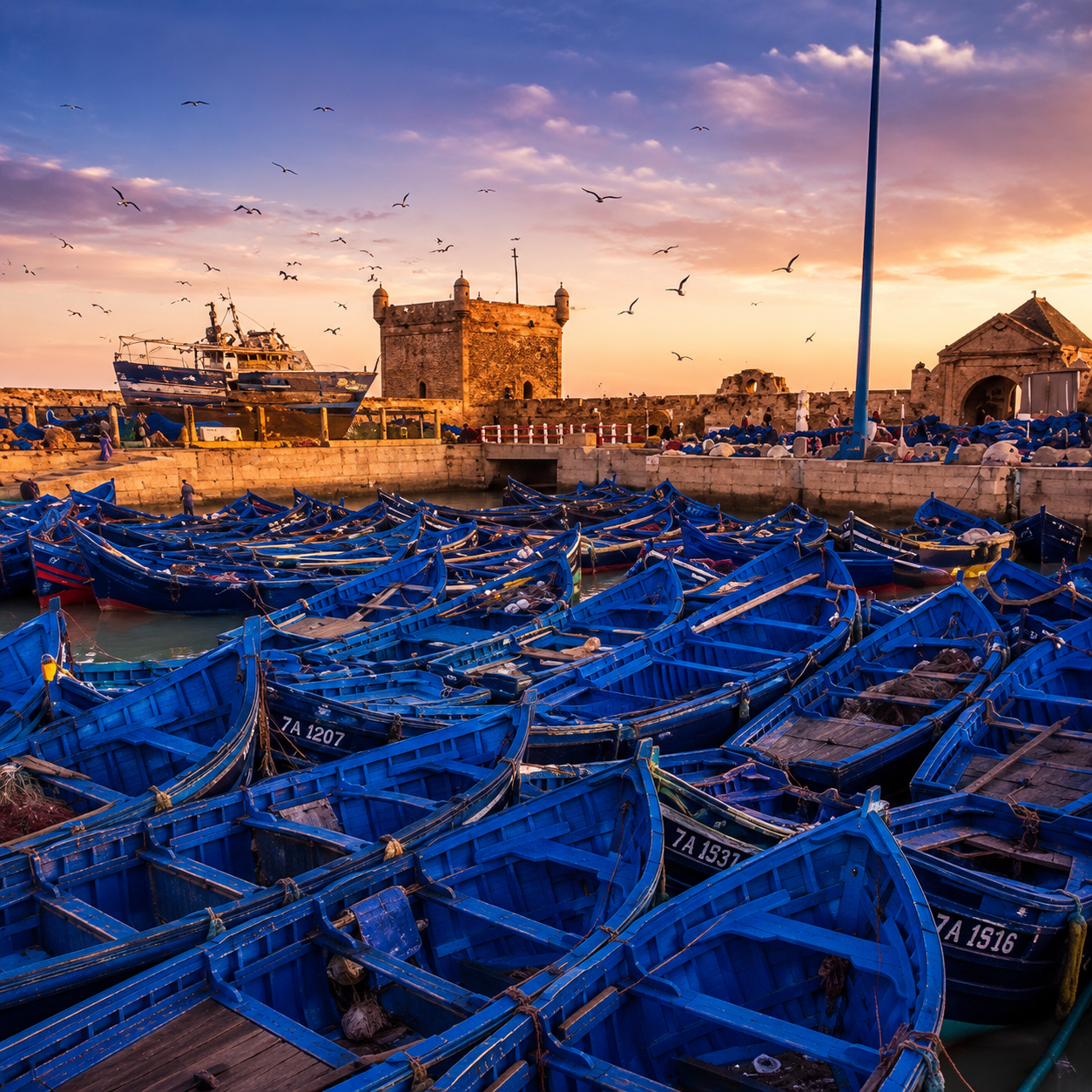
Essaouira’s fishing port is one of the city’s most authentic scenes. Blue wooden boats line the docks as fishermen unload the day’s catch, mend nets, and negotiate prices. It’s practical, unscripted, and deeply rooted in daily life.
Standing near Skala du Port, you witness a rhythm unchanged for generations. The smell of the ocean, the cries of seabirds, and the constant motion of work reveal the city’s enduring relationship with the sea.
Art, Craft, and Creative Energy
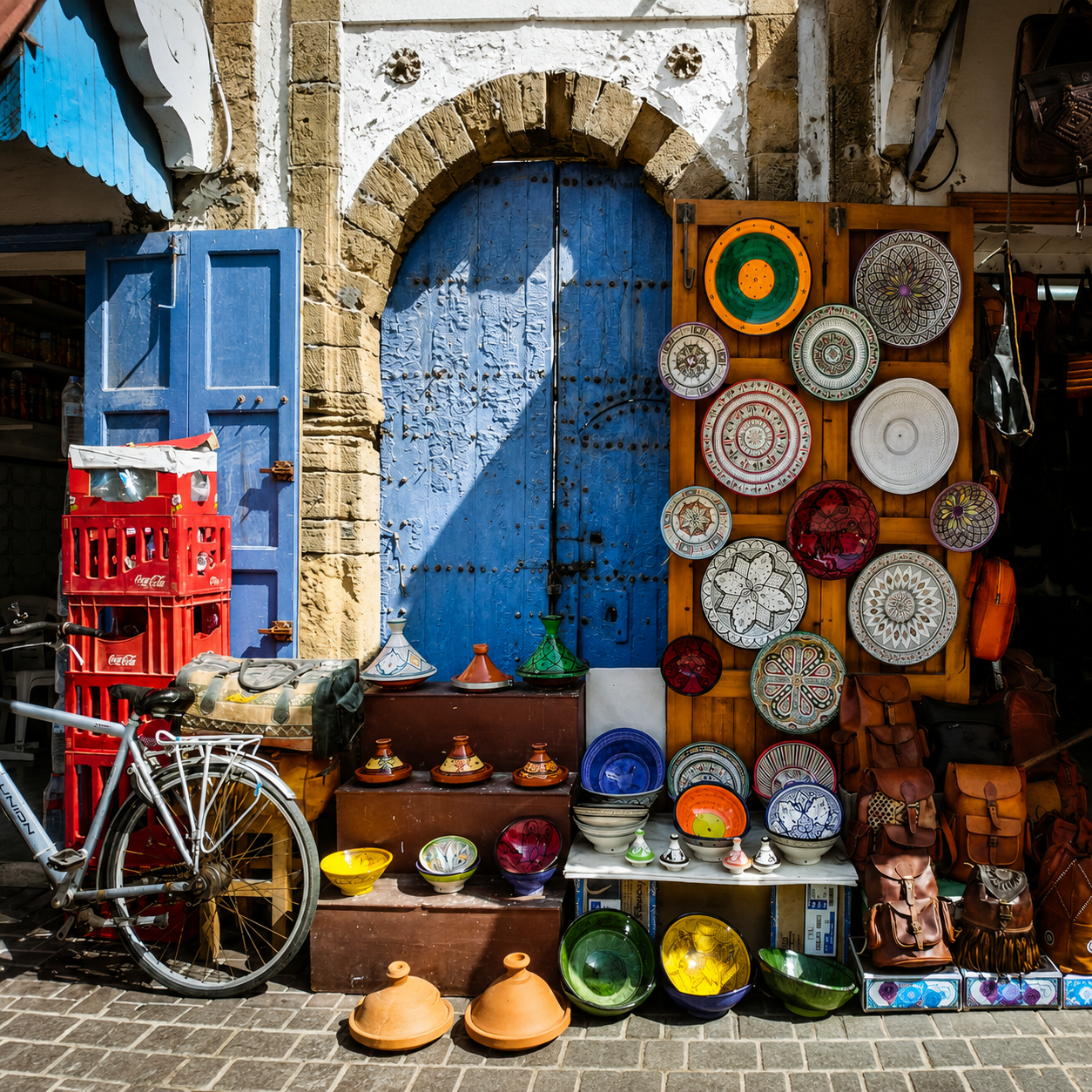
Essaouira has long attracted artists, musicians, and independent thinkers. Its creative energy flows quietly through small galleries, woodworking workshops, and music studios hidden inside the medina.
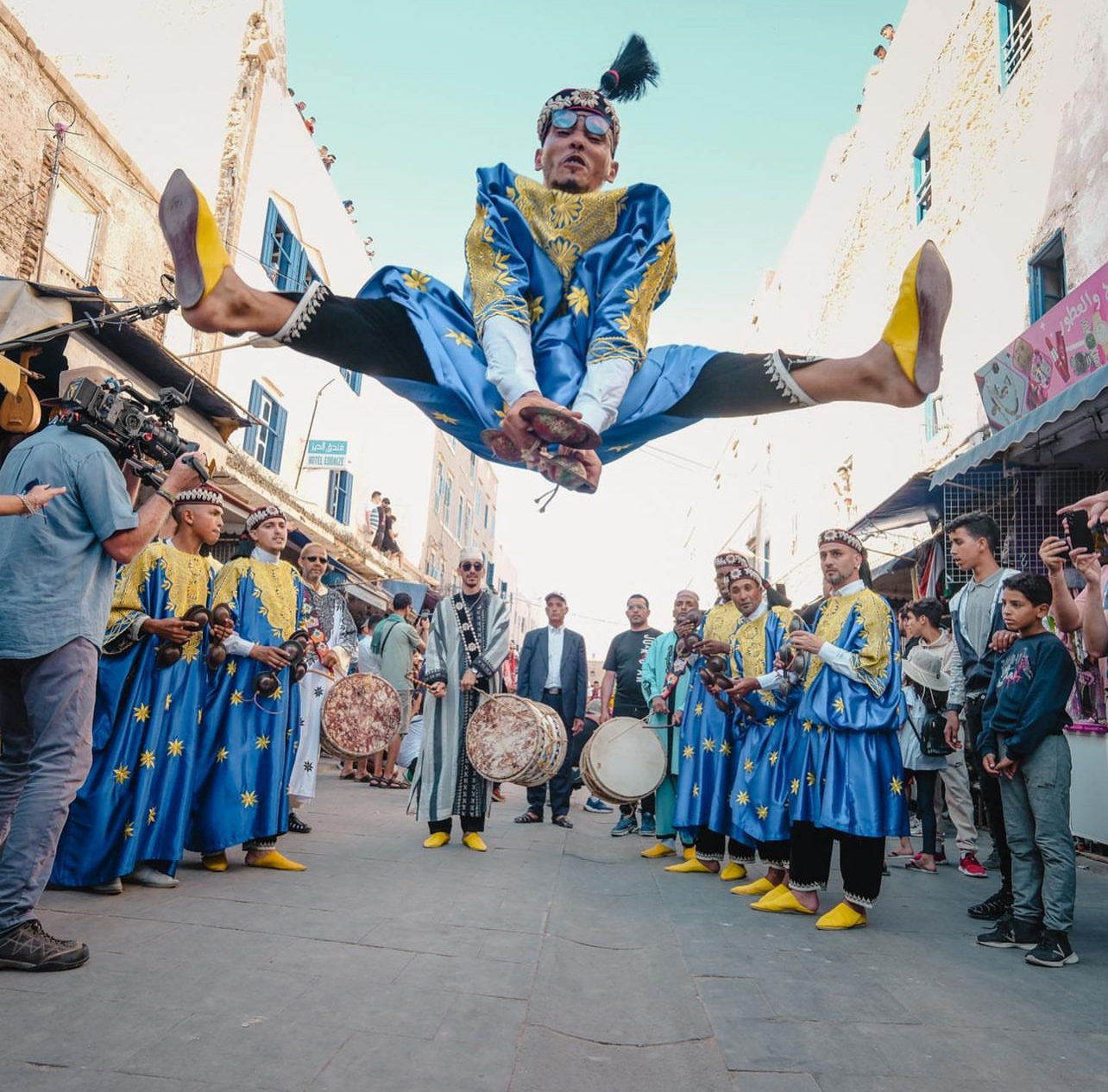
Thuya wood artisans, painters, and Gnawa musicians contribute to a cultural identity that values expression without excess. Creativity here is not commercialized — it is lived.
The Beach and the Wind
Essaouira’s wide beach stretches south of the medina, open and windswept. The Atlantic breeze shapes the city’s personality, making it a global destination for kitesurfing and windsurfing, but also a place for long walks and reflection.
Unlike resort beaches, this shoreline feels raw and honest. Horses and camels move along the sand, locals walk at sunset, and the ocean defines the horizon.
Gnawa Music and Cultural Memory
Essaouira is a spiritual home of Gnawa music, a tradition rooted in African heritage, rhythm, and healing. Even outside festival season, you may hear deep bass notes and metallic qraqeb echoing through side streets.
Food Influenced by the Sea
Essaouira’s cuisine reflects its geography. Grilled fish, sardines, calamari, and seafood tagines dominate menus, often prepared simply to respect freshness. Small local eateries near the port and inside the medina offer honest meals that tell the story of coastal Morocco without ornamentation.
Why Essaouira Feels Different
Essaouira doesn’t try to impress. It offers calm, clarity, and space — physical and mental. The city teaches you to move slower, listen more, and notice subtle details.
It is a place to reset, reflect, and reconnect with simple rhythms shaped by wind and water.
Practical Insights for Exploring Essaouira
Best time to visit
Spring and autumn for balance, summer for wind sports
How long to stay
At least 3 days for meaningful immersion
What to wear
Modest, breathable clothing
mindset
Curiosity, patience, and openness