
Lost in Chefchaouen’s Blue Streets
I arrived in Chefchaouen early in the morning as the first light touched the Rif Mountains. Within minutes, I was wandering the medina’s narrow streets, surrounded by every shade of blue. Unlike the lively pace of Marrakech or Fez, Chefchaouen felt calm and unhurried. I skipped the map on purpose—getting lost in the Blue Pearl was part of the experience. Here’s my story, along with a few tips to help you enjoy your visit.
Lost in the Blue Streets of Chefchaouen – A Traveler’s Story & Tips
First Impressions: A City of Calm
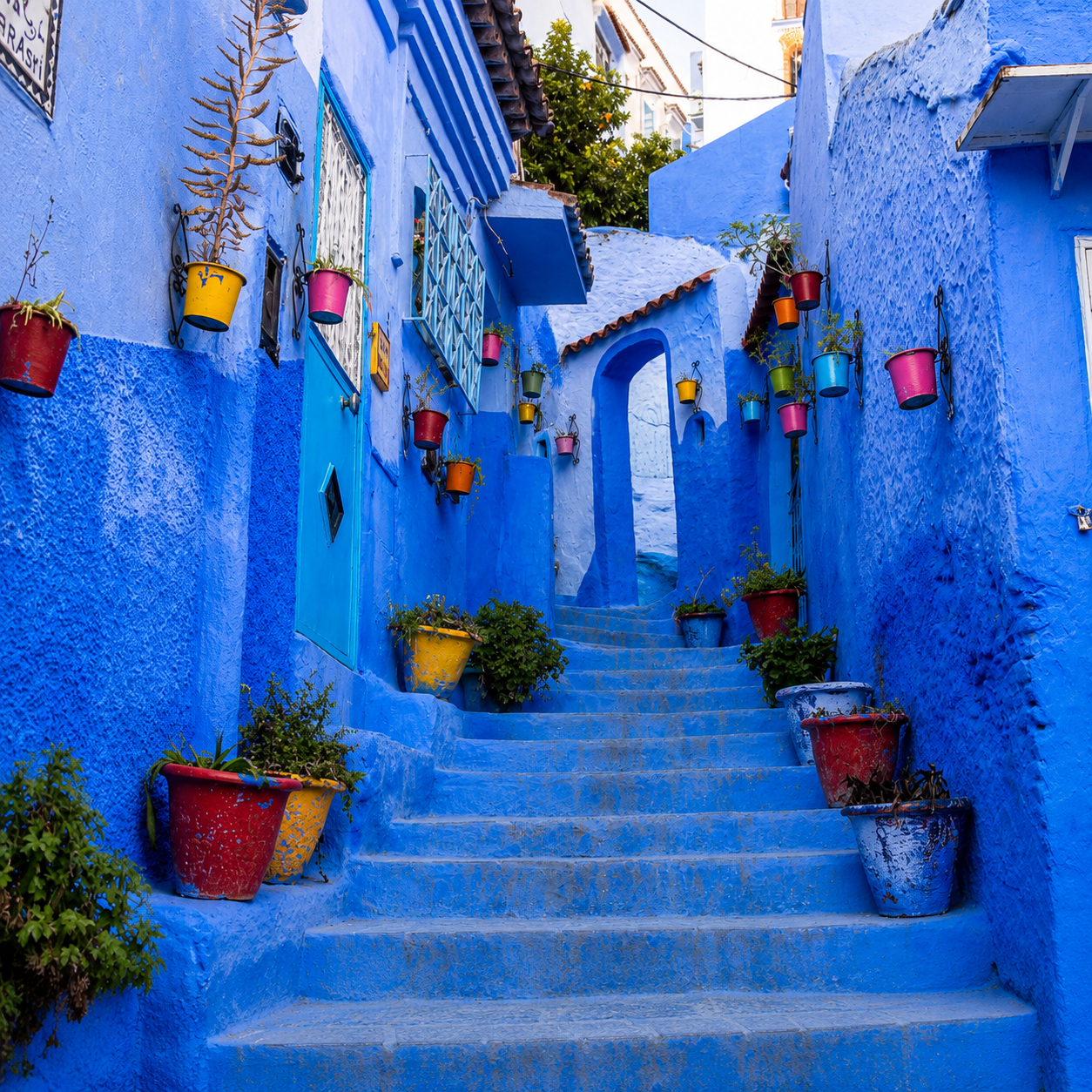
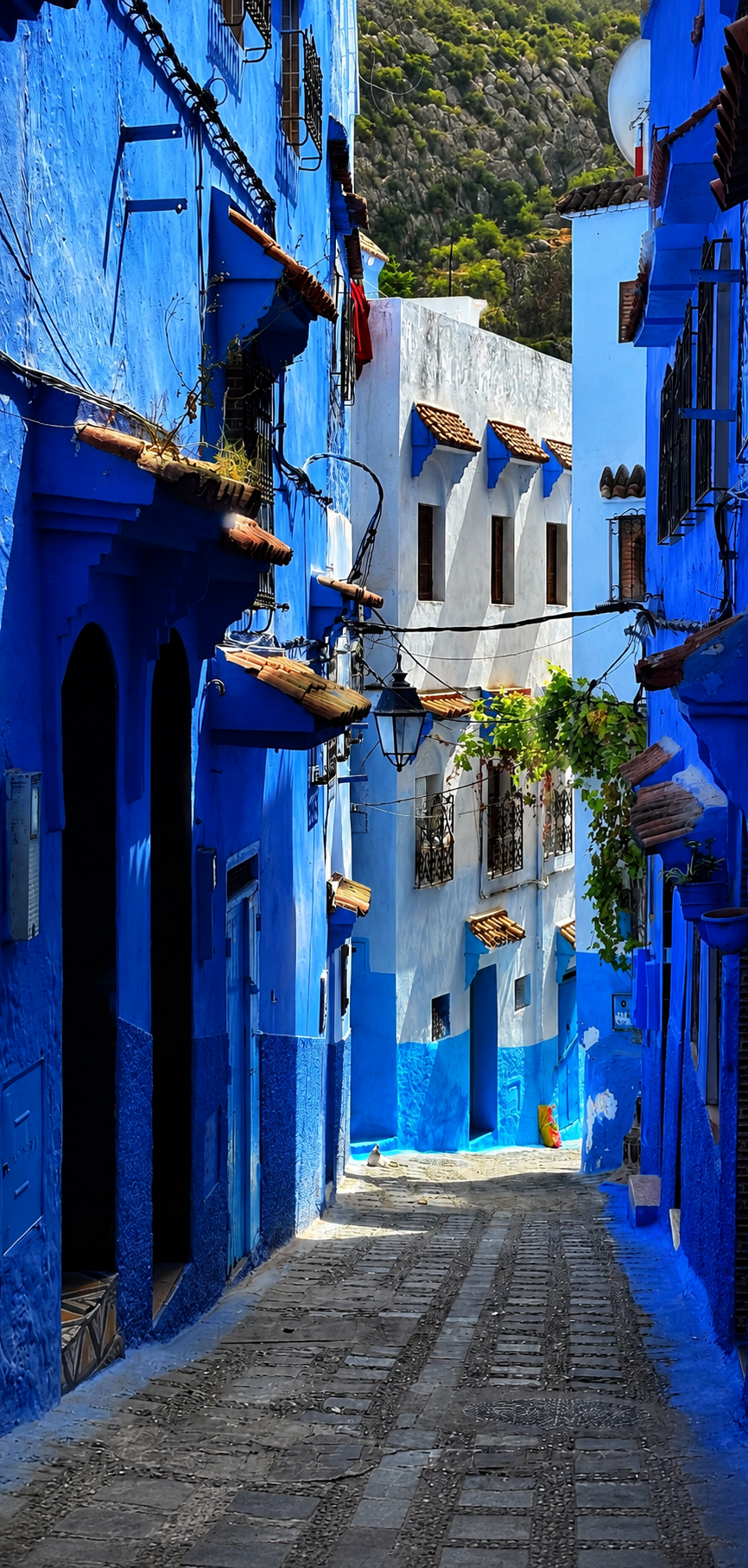
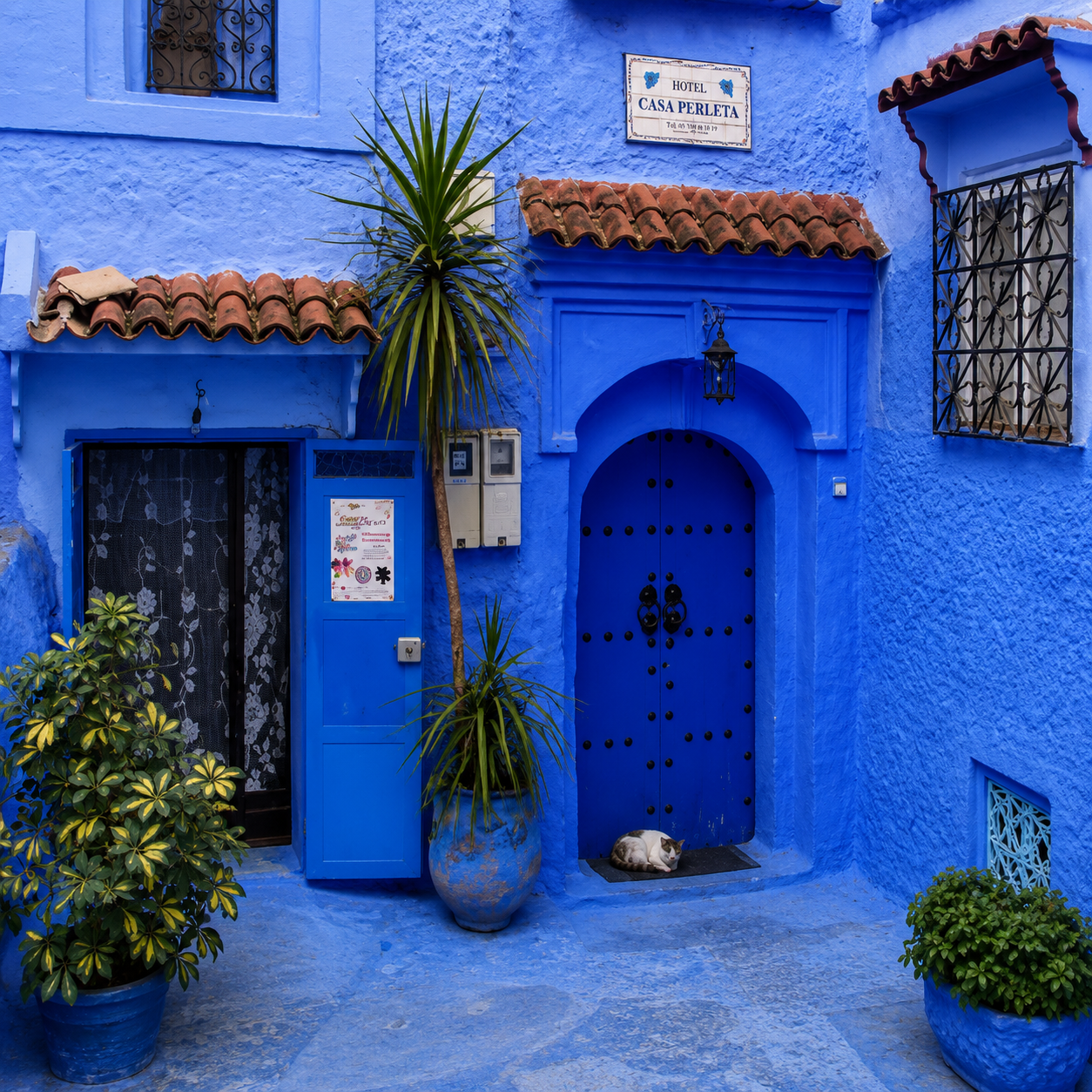
As I stepped deeper into the medina, the sound of footsteps echoed softly against the walls. Locals opened their small shops, cats stretched lazily on doorsteps, and the smell of fresh bread drifted through the alleys.The blue color isn’t just beautiful — it creates a peaceful atmosphere that makes you slow down without even realizing it. Tip: Visit early in the morning (before 9am). The streets are quiet, the light is perfect for photos, and you’ll experience the city at its most authentic pace.
Wandering Without a Plan
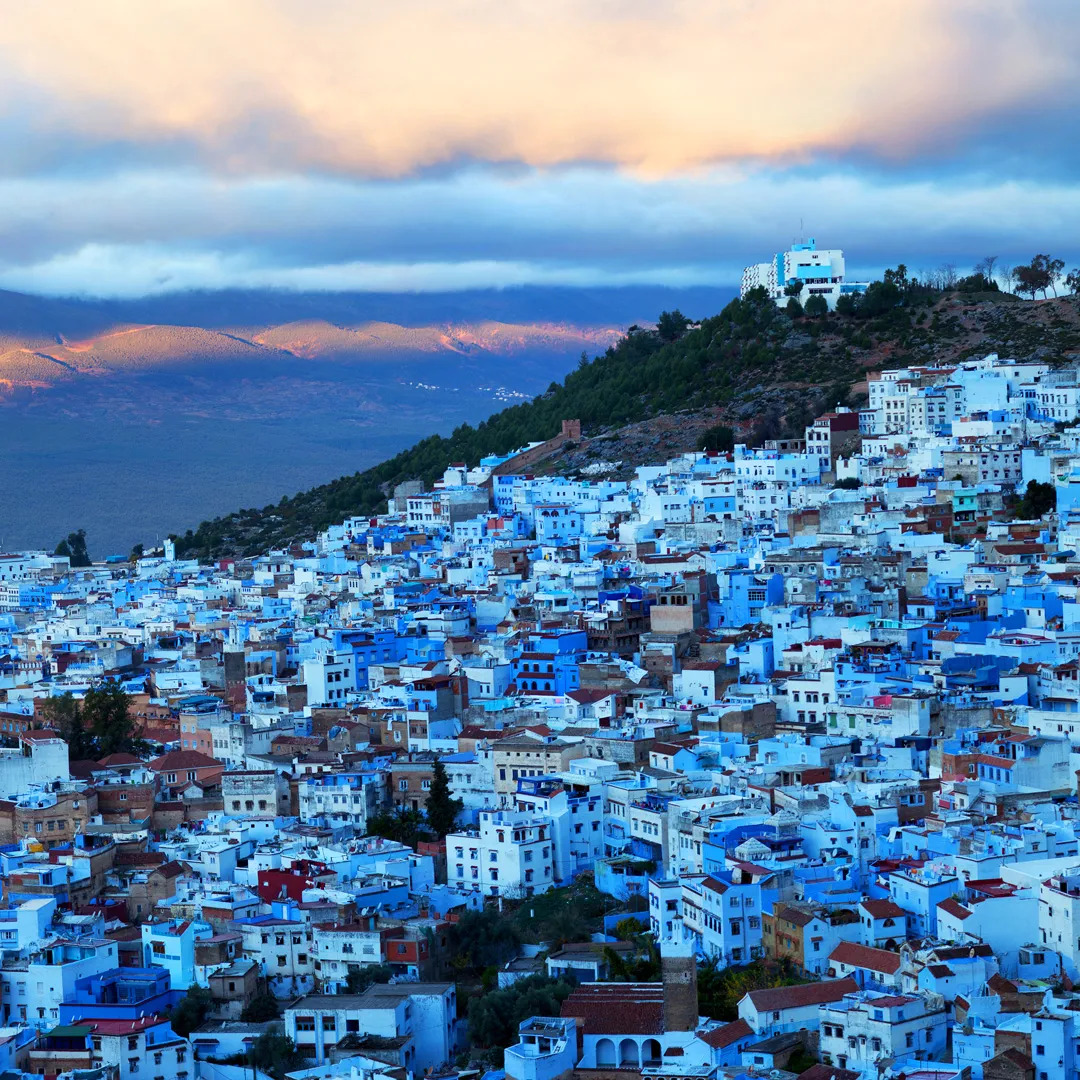
Chefchaouen’s landscape isn’t confined to its medina. Just above the town, the Spanish Mosque offers one of the most iconic views in all of Morocco. A short hike leads you to a hilltop where the entire blue labyrinth unfolds below you, especially breathtaking at sunrise or sunset.
For nature lovers, the surrounding Rif Mountains and Talassemtane National Park offer hiking trails, lush valleys, and breathtaking scenery that contrasts with the peaceful blue of the town. The nearby Akchour Waterfalls are a rewarding day trip—lush, refreshing, and ideal for a picnic in nature.
Wandering Without a Plan

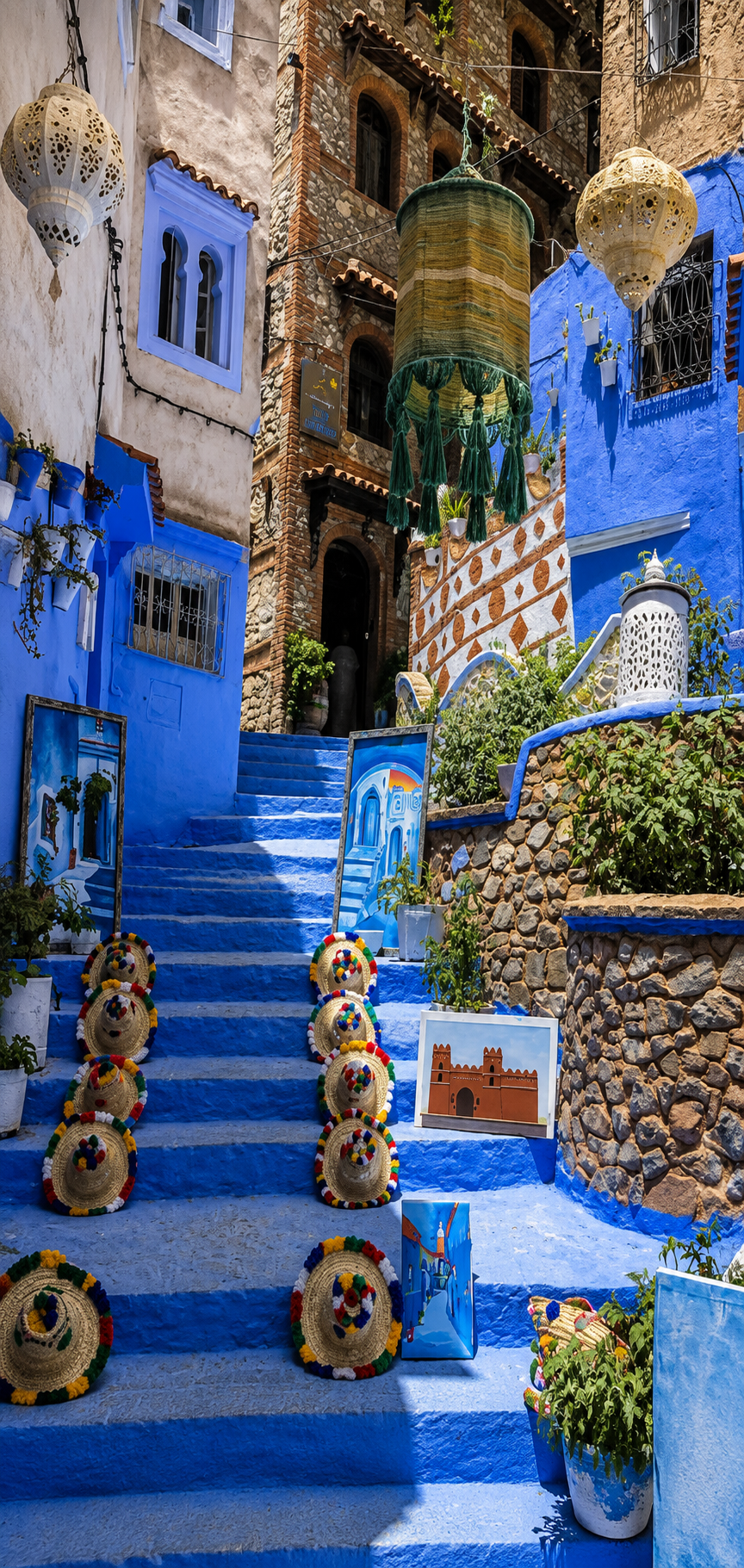
One of the best decisions I made was to simply wander. I walked up staircases that seemed to lead nowhere, passed through tiny squares where children played, and discovered hidden corners filled with plants and colorful doors.
Eventually, I reached Plaza Uta el-Hammam, the heart of the city. Cafés were beginning to fill with locals sipping coffee, and the relaxed atmosphere made it the perfect place to pause.
Tip: Sit at a café and watch daily life unfold. It’s the best way to feel the rhythm of the city.
The Kasbah and History
Near the square stands the historic Kasbah of Chefchaouen, a peaceful fortress with gardens and a small museum. Climbing the tower rewarded me with views over the blue rooftops and surrounding mountains — a perspective that made me appreciate the town even more.
Sunset Above the Blue City
the late afternoon, I followed a trail up toward the Spanish Mosque on the hill outside town. The climb took about 30 minutes, and when I reached the top, the view was breathtaking. The blue city glowed softly as the sun set behind the mountains. It wasIn quiet, peaceful, and filled with travelers and locals simply sitting and watching the lightchange .
Morning Reflections
The next morning, I woke early again and walked through the quiet streets one last tim. Without the crowds, the city felt almost surreal — like a dream painted in blue. Chefchaouen isn’t about checking off attractions. It’s about slowing down, wandering, and letting the atmosphere guide you.
Food, Flavors, and Conversations
That evening, I returned to the medina for dinner. A small family-run restaurant served tagine with goat cheese — a local specialty — and fresh bread. The owner shared stories about life in Chefchaouen and how tourism has shaped the town while preserving its relaxed spirit.
What I Learned From Chefchaouen
Chefchaouen isn’t just beautiful—it’s transformative. Unlike Morocco’s larger cities, where crowds and markets pulse with energy, here the pace is slower, the light softer, the experiences more personal. Many travelers describe it as an exhale painted blue—a place where calm meets curiosity, and every moment becomes a memory rather than just a photo.